Apologizing in English for Kids
An apology has three parts: name what happened, say sorry, and offer a repair. Apologizing in English for Kids: Phrases and Activities teaches this short pattern before conflict. Children can then use words they have heard, acted out, and practised. The aim is responsibility and rebuilt trust, not forced performance or instant forgiveness. Younger children may use one sentence, while older children can explain the effect of their actions and suggest a fair next step.
📥 My Apology Practice Pack
Sincere phrases, everyday examples, independent activities, and a weekly confidence tracker
Leave your email — we'll send the PDF to your inbox.No spam — the PDF plus one short reminder. Unsubscribe anytime.
Core Phrases for a Sincere Apology
Begin with “I’m sorry,” then name the action: “I’m sorry I took your pencil.” A specific statement shows more care than “Sorry” said while walking away. Use this pattern: “I’m sorry I ___. Are you okay? How can I help?”
At home, teach two or three phrases from Apologizing in English for Kids: Phrases and Activities first. Add longer forms once your child uses the basic pattern without searching for each word.
Each phrase serves a purpose. “I’m sorry” accepts responsibility, “Are you okay?” shows concern, and “How can I help?” turns words into action. Children need not use every phrase each time.
Examples in Everyday Situations
Examples in Apologizing in English for Kids: Phrases and Activities should sound natural at home, in class, during play, or online. Keep each sentence direct and match the response to the event.
- After bumping someone: “I’m sorry I bumped you. Are you okay?”
- After taking an item: “I’m sorry I took it without asking. Here it is.”
- After interrupting: “Excuse me. I spoke while you were talking. Please continue.”
- After using unkind words: “I’m sorry I said that. It was unkind. Could we start again?”
- After breaking something: “I’m sorry I broke it. How can I help fix or replace it?”
- After excluding someone: “I’m sorry we left you out. Would you like to join the next round?”
Match the follow-up action to the situation. Returning an object, cleaning a spill, correcting a message, or changing game rules may matter more than a long speech. The other child may need time and need not accept the apology immediately.
Activities for Different Ages
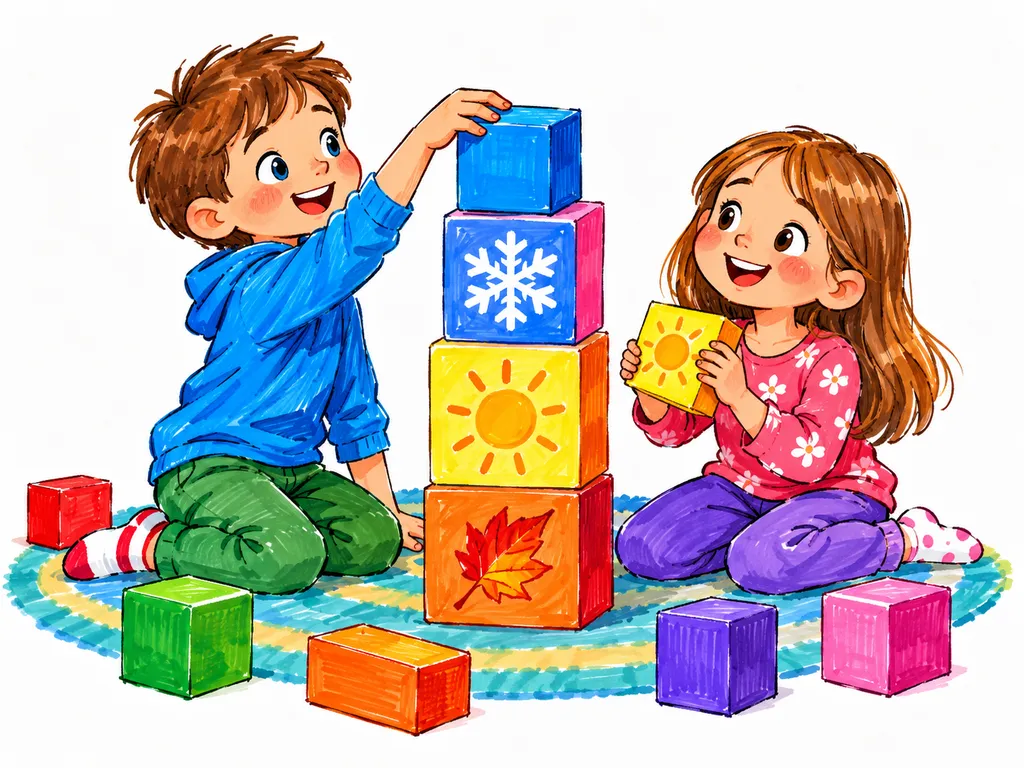
For school-age kids, use toys or picture cards to show one small problem. A toy knocks over a block tower; your child chooses a phrase and helps rebuild it. Keep each turn under a minute, repeat the wording, and accept a quiet voice or gesture with the words.
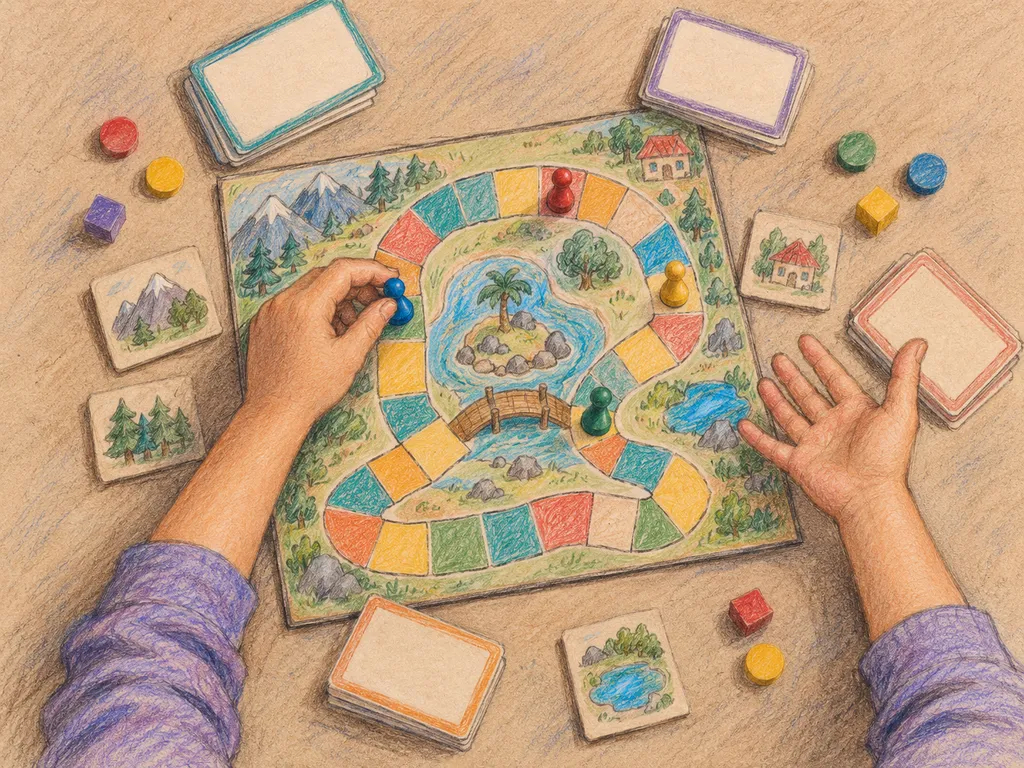
For school-age kids, Apologizing in English for Kids: Phrases and Activities can become a sorting game. Write situations on cards and sort them under “I’m sorry,” “Excuse me,” or “How can I help?” Then swap roles: one person explains the problem, and the other gives an apology with a suitable way to make amends.
For school-age kids, discuss intent and effect. Ask your child to revise weak apologies like “Sorry you got upset” or “I was only joking.” A stronger version is: “I’m sorry I shared your message. I should have asked first.” Multilingual children may plan the idea in another language before apologising in English.
Short Practice Routines That Build Confidence
Practise during a calm part of the day, not only after conflict. A five-minute routine covers one phrase, one acted situation, and a role change. Across LearnLink lessons, our tutors can model tone, word choice, and natural replies without turning an apology into a memorised speech.
Try the Pause, Apologise, Make It Right Activity
Choose a small situation, such as interrupting a game. Pause and name what happened, give a specific apology, then offer one practical next step. Swap roles and repeat with new words: “I interrupted you. I’m sorry. Please finish what you were saying.”
A short routine makes Apologizing in English for Kids: Phrases and Activities easier to use under pressure. Change one detail each time so your child learns the pattern, not a fixed script. Praise the action: “You named what happened and offered to put it right.”
Common Mistakes and Better Choices

Avoid “but” straight after an apology. “I’m sorry, but you started it” shifts blame and closes the conversation. Let the apology stand. Discuss context separately: “I’m sorry I shouted. I was angry, and I still need to speak calmly.”
Do not demand eye contact, physical contact, or immediate forgiveness. Expectations differ across families and cultures; some children focus while looking away. A calm voice, specific words, and a fair repair show that the child understands the task.
Do not ask for promises a child cannot keep, such as “I will never make that mistake again.” Choose a practical next step: “Next time, I’ll ask before I take it.” Apologizing in English for Kids: Phrases and Activities should give children honest language, not impossible claims.
- Practice two apology phrases with children ages six to nine before bedtime.
- Use a picture book to identify three mistakes and kinder responses together.
- Role-play one playground conflict, then swap roles and repeat the apology calmly.
- Replace quick sorry with specific words naming the action and follow-up step.
- Praise sincere eye contact and helpful follow-through, not forced apologies.
When a word has several meanings or pronunciations, Cambridge Dictionary is a useful check before turning it into child-friendly examples.
Frequently Asked Questions
What Should I Do If My Child Refuses to Apologise?
Pause and help your child name what happened before asking for an apology. Strong feelings can block a prepared phrase. Offer two choices: “Would you like to say it now or write it first?” Keep the practical follow-through in place if the words come later. Your child can still return an item, clean a mess, or give someone space.
What Is the Difference Between “I’m Sorry” and “Excuse Me”?
“I’m sorry” usually responds to harm, loss, or an unkind action. “Excuse me” fits a small interruption, such as moving past someone or speaking before they finish. In Apologizing in English for Kids: Phrases and Activities, children practise both to match the phrase to the problem.
Should My Child Explain Why the Mistake Happened?
A brief explanation can help, but must not erase responsibility. Teach your child to apologise first: “I’m sorry I missed your turn.” Then explain: “I did not hear you.” Avoid blaming the other person. End with a repair or next step: “You can go first in the next round.”
How Often Should Children Practise Apology Phrases?
Two or three short practices each week keep the language familiar without making it a test. Vary the setting: a family conversation, a classroom role-play, a game, or a message between friends. Stop while your child remains engaged. The goal is flexible use of the pattern, not exact recitation.
If your child needs steady speaking practice, start small — choose a trial lesson.
Stay updated on our latest tips and resources by following us on Instagram LearnLink.