Double-Letter Words and Activities for Kids
Double-letter words contain identical letters side by side, as in apple, rabbit, and letter. Double-Letter Words and Activities for Kids should teach children to spot the repeated pair, say the whole word, and use it in a sentence. The identical characters often represent one sound, so children should not pronounce them separately. Start with familiar words that can be pictured or acted out. Then progress from sorting and speaking to reading and spelling without treating every doubled spelling as one fixed sound rule.
📥 Double-Letter Word Practice
Read, match, build, and correct useful words with repeated letters.
Leave your email — we'll send the PDF to your inbox.No spam — the PDF plus one short reminder. Unsubscribe anytime.
Useful Words and Spelling Patterns
Begin with words connected to daily life: apple, rabbit, kitten, puppy, carrot, coffee, letter, yellow, green, happy, funny, little, messy, and fluffy. Add actions such as running, sitting, swimming, skipping, and clapping. A small, familiar set beats a long list without context.
Frequent patterns include bb in rabbit and bubble, ff in muffin and coffee, ll in yellow and small, mm in summer and hammer, nn in dinner and sunny, pp in apple and happy, rr in carrot and sorry, ss in lesson and dress, and tt in kitten and letter. Puzzle, fuzzy, and buzz introduce zz.
I eat an apple.
The rabbit hops.
The muffin is warm.
The ball is yellow.
Summer is sunny.
Dinner is ready.
I cut the carrot.
Bees buzz nearby.
Sound alone cannot explain every double-letter pattern. The oo in book differs from the oo in food. A sound and spelling routine for Double-Letter Words and Activities for Kids should treat each word as a complete unit while highlighting its visible pair.
Examples in Useful Sentences
Children remember words when each has a purpose. Use Double-Letter Words and Activities for Kids in short phrases: a fluffy rabbit, a yellow ball, a little kitten, a funny puppet, and a messy bedroom. Ask your child to point to the doubled letters before reading the phrase aloud.
Next, use sentences with specific meanings: “The rabbit eats a carrot.” “The puppy is running.” “We have dinner in the kitchen.” “Please put the yellow note on the table.” “The little kitten is sitting in a box.” Your child can underline the pair, read the sentence, and change one detail: yellow to red or kitten to puppy.
Older learners can compare sentences that show why spelling matters. “The rabbit is hopping” and “The child is hoping for sunshine” differ by one character but have different meanings. “We ate at a diner” and “We ate dinner” provide another contrast. Let meaning guide spelling instead of memorising patterns without context.
Activities for Different Ages
For school-age kids, use movement and objects. Write apple, ball, rabbit, and puppy on separate cards. Say a word, let your child find its card, and ask them to tap the repeated letters twice. The taps mark the written pair; the child says the word once. Picture matching supports children who cannot read every word independently.
For school-age kids, try a word hunt. Search a short story, lesson page, or food package for matching letters. Sort findings by letter combination: ll, mm, pp, or another pattern. Then choose three words and write one sentence containing all three. “The happy puppy has a yellow ball” is visual and easy to check.
For school-age kids, practise word building and editing. Compare run, runner, and running or begin, beginner, and beginning. Ask which part stayed and where the extra character appeared. Learners can edit a short paragraph with missing double letters. The Double-Letter Words and Activities for Kids framework remains relevant, but the task shifts from spotting doubled letters to explaining spelling choices.
Simple Ways to Practise at Home
Keep practice brief and regular. Choose five weekly words and display them near your child’s study space. First, read and sort them. Next, cover one character in each doubled form and ask what is missing. Later, dictate a phrase: “a fluffy rabbit” gives more context than fluffy alone. Finish with a two-sentence description containing at least three target words.
Find, Fix, and Use
Correct these spellings: aple, rabit, yelow, funy, puzle. Then choose two corrected words and use them in one sentence. Answers: apple, rabbit, yellow, funny, puzzle.
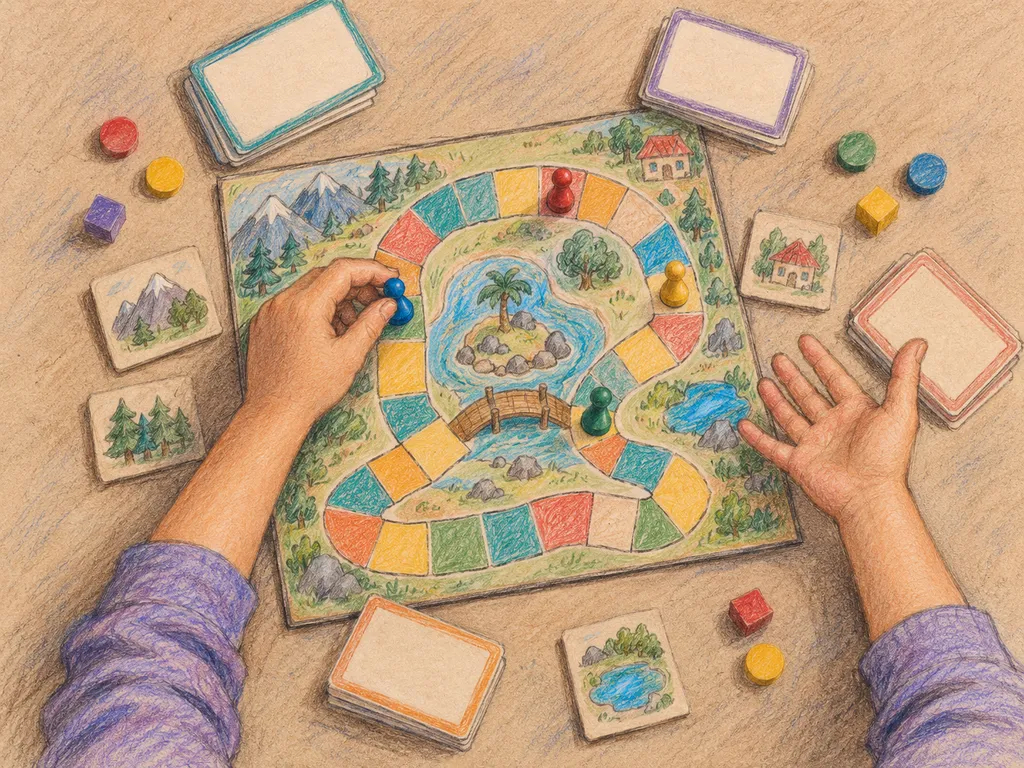
Games need a learning step. In double-letter bingo, call a word while your child covers its matching letters on a grid. In memory matching, match a picture with its written word. In a timed sort, place words under pp, ll, and tt. End by reading or writing the words; finding cards alone does not practise spelling.
LearnLink tutors can adapt Double-Letter Words and Activities for Kids to each learner’s reading level and attention span. A beginner may use pictures and four words, while a confident reader compares base words, endings, and meanings. At home, change the task before expanding the word list.
Common Mistakes and How to Correct Them
One mistake is saying a consonant twice because it appears twice. In happy, the two p letters do not require separate spoken p sounds. Model the whole word, then ask your child to spell it aloud. This separates pronunciation from written form.
Another mistake is doubling letters whenever a word sounds short. English spelling does not follow that rule. Children may write rabit, runing, or hoping when they mean hopping. Correct one feature: show the word, circle the doubled letters, read it, cover it, and ask the child to rewrite it. This calm routine beats copying ten times.
Children may confuse similar-looking words. Hopping and hoping, dinner and diner, or latter and later require meaning and spelling. Put each word in a sentence and ask your child to draw or explain the difference. Multilingual children can check meaning in another language, then return to the English phrase and spelling.
- Try sorting ten double-letter word cards with children ages six to eight.
- Practice reading one short book aloud, pausing to spot repeated consonants.
- Use colored pencils to circle both letters in five commonly misspelled words.
- Correct omissions by saying each word slowly, then writing it three times.
- Review today’s Double-Letter Words and Activities for Kids worksheet before bedtime.
When a word has several meanings or pronunciations, Cambridge Dictionary is a useful check before turning it into child-friendly examples.
Frequently Asked Questions
What Is a Double-letter Word?
A double-letter word has two identical letters together, such as apple, rabbit, happy, or dress. The pair may appear at the beginning, middle, or end, though double-letter sequences occur more often in basic vocabulary. The letters do not always create separate sounds. Teach your child to locate the doubled letters, read the word, and connect spelling with meaning.
When Should Children Learn Double-letter Words?
Children can notice double letters once they recognise letter shapes and read familiar words. They need not master a full spelling rule first. A young learner can match pictures with ball, apple, or rabbit; an older learner can study changes such as run to running. Match each task to the child’s reading level.
How Many Words Should We Practise at One Time?
For beginners, four to six familiar words form a practical starting set. Keep them for short sessions and vary the task: read, sort, complete missing letters, and write sentences. Add words after your child can recognise and spell most of the set without strain. Accuracy and recall matter more than a large weekly total.
How Can I Make Double-letter Practice Less Repetitive?
Mix speaking, movement, reading, and writing. Double-Letter Words and Activities for Kids can include card hunts, picture matching, sentence building, bingo, sorting, and editing. Keep the spellings while changing the activity. Your child encounters each word repeatedly without completing the same worksheet. End with a sentence to tie spelling to meaning.
Use three takeaways for each practice session:
- Start with four to six familiar words that your child can picture or act out.
- Practice spotting the repeated pair, reading the whole word, and using it in a sentence.
- Try a new game or sorting task while keeping the target spellings consistent.
A short one-to-one lesson can show what level and pace fit your child — book a trial English lesson.
Stay updated on our latest tips and resources by following us on Instagram LearnLink.